Introduction: A Writer’s Lifeline
Steven Pressfield’s The War of Art is a modern classic. The book has earned this reputation. It appeals especially to creatives. They wrestle with resistance—the sneaky, invisible force that holds them back from chasing their artistic dreams. This book targets writers primarily. It explores the internal battles that come with creating. Additionally, it provides practical advice to push through them. It’s more than just a pep talk. The War of Art feels like a philosophical guidebook on discipline and self-control. It explores what it truly means to create. Whether you’re a seasoned author or just starting out, Pressfield’s insights reflect the struggles you face. They illuminate the way through the challenges of the writing life.
In this review, we’ll explore the book’s structure, themes, and lessons, highlighting its relevance to writers while critiquing its shortcomings. By the end, it should be clear why this book deserves a place on every writer’s desk.
Structure and Style
The War of Art is divided into three sections:
- Resistance: Defining the Enemy
- Combating Resistance: Turning Pro
- Beyond Resistance: Higher Realms
Each chapter is brief, making the book an engaging and accessible read. This format is particularly appealing to writers. They are looking for quick, digestible wisdom amidst their daily grind. Pressfield’s prose is clear, direct, and occasionally poetic, embodying the no-nonsense ethos he preaches.
For writers, this structure is invaluable. It mirrors the journey of tackling writer’s block. First, understand the problem. Then, address it methodically. Finally, transcend it to create meaningful work. Each section builds upon the last, creating a sense of progression that mirrors a writer’s path from aspiration to mastery.
Key Themes and Insights
1. Resistance: The Writer’s Nemesis
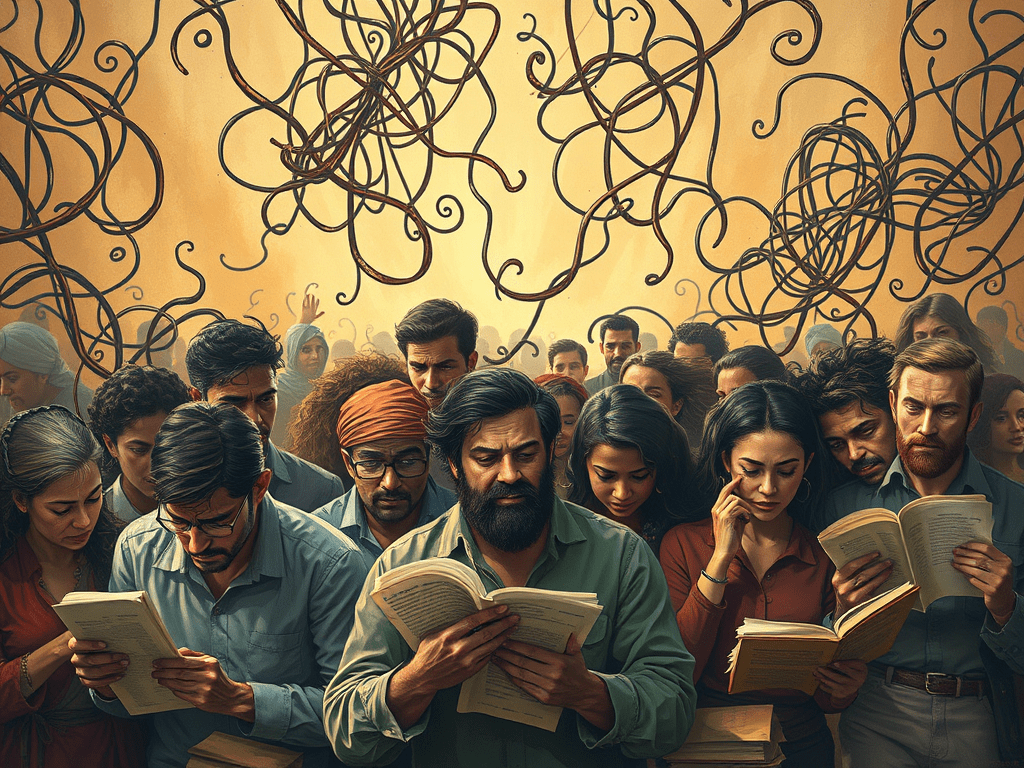
Pressfield personifies resistance as a malevolent, universal force that manifests in procrastination, fear, self-doubt, and distraction. For writers, resistance is the nagging voice that questions the value of their work. It also tempts them to prioritize anything but writing.
Pressfield writes, “Resistance will tell you anything to keep you from doing your work. It will perjure. It will falsify; it will seduce you.” This sentiment strongly affects writers. Those writers have postponed writing sessions, claiming they need “more inspiration” or “better conditions.”
Practical Takeaways:
- Recognize resistance: Acknowledge its presence and understand that it is not unique to you. Every writer, from beginners to literary greats, faces resistance.
- Separate resistance from identity: Pressfield emphasizes that resistance is external. Writers are not lazy or unworthy; they are simply combating a universal force.
This section offers profound solace to writers who often internalize their struggles, mistaking resistance for a personal failing.
2. Turning Pro: A Writer’s Discipline
In the second section, Pressfield introduces the concept of “turning pro.” For writers, this means approaching their craft with the same discipline, commitment, and professionalism as one would a traditional job.
He argues that amateurism is marked by inconsistency and excuses, while professionalism entails a steadfast commitment to showing up daily, regardless of mood or circumstances. Pressfield’s distinction between the amateur and the professional is one of the book’s most empowering messages.
Key Lessons for Writers:
- Show up every day: Writing isn’t about waiting for inspiration; it’s about creating a routine that fosters creativity.
- Detach from the outcome: Professionals write for the sake of the work, not for external validation. Whether the writing is praised, criticized, or ignored, the professional persists.
- Treat writing as sacred: Professionals respect their craft by dedicating time and effort to it daily.
For writers, these principles are transformative. The shift from treating writing as a whimsical pastime to honoring it as a serious vocation can be life-changing.
3. Beyond Resistance: Higher Realms
The final section explores the metaphysical aspects of creativity, suggesting that art connects humans to a higher plane of existence. Pressfield introduces the concept of the Muse, an external force that aids the artist when they commit fully to their craft.
This section veers into spiritual territory. It resonates with writers who often describe moments of flow. They see inspiration as otherworldly experiences. Pressfield’s reverence for art as a divine act elevates the book from a pragmatic guide to a philosophical treatise.
Insights for Writers:
- Surrender to the Muse: Writing is not entirely within one’s control. Writers must create the conditions for inspiration by showing up consistently.
- Art as service: Pressfield frames art as a contribution to humanity, encouraging writers to view their work as part of a greater good.
This perspective can reinvigorate writers who feel bogged down by the commercial or critical pressures of publishing.
Strengths: Why This Book Resonates with Writers
1. Universal Applicability
Pressfield’s insights transcend genres and skill levels. Whether you’re drafting your first novel or completing your tenth manuscript, the principles in The War of Art apply universally.
2. Empathy and Tough Love
Pressfield balances compassion with tough love, validating the writer’s struggles while refusing to indulge excuses. His tone is firm but encouraging, pushing writers to confront their resistance head-on.
3. Practicality
The book offers actionable advice without descending into prescriptive platitudes. Writers are not just told to “be disciplined” but are shown how to cultivate discipline through concrete examples and relatable anecdotes.
4. Inspiration Without Fluff
Unlike many self-help books that rely on vague motivational rhetoric, The War of Art grounds its inspiration in hard truths. Writers are challenged to embrace discomfort and recognize that the act of writing itself is the reward.
Criticisms: Potential Drawbacks for Writers
1. Overemphasis on Resistance
While resistance is a compelling framework, Pressfield’s repeated focus on it may feel redundant to some readers. Writers looking for more nuanced discussions on craft or technique may find this focus limiting.
2. Spiritual Overtones
The third section’s spiritual and metaphysical ideas may not resonate with every writer. While some will find the concept of the Muse inspiring, others may view it as overly abstract or impractical.
3. Lack of Nuance in “Turning Pro”
Pressfield’s binary distinction between amateurs and professionals can feel rigid. Writers who are transitioning between these roles may struggle to see where they fit in his framework.
Relevance to Writers Today
In an age of constant distraction and mounting pressures to monetize creative work, The War of Art remains strikingly relevant. Writers grappling with the twin challenges of maintaining focus and staying true to their artistic vision will find this book a vital resource. Pressfield’s insights into the psychological hurdles of writing are timeless, offering clarity amidst the chaos of modern creative life.
The book is particularly useful for:
- Writers facing procrastination: Its practical strategies for combating resistance are invaluable.
- Writers seeking motivation: The emphasis on discipline and purpose provides a much-needed push.
- Writers questioning their value: Pressfield’s reverence for art can rekindle a sense of pride and purpose in the writer’s journey.
Conclusion: A Must-Read for Writers
The War of Art is more than a self-help book. It’s a call to arms for writers. They are determined to fulfill their creative potential. Through its exploration of resistance, professionalism, and the spiritual dimensions of art, the book gives writers the tools they need. It helps them develop the mindset required to navigate their craft’s challenges.
The War of Art has its flaws. However, it remains an essential read for writers. It helps those who seek to overcome writer’s block. It also encourages embracing the deeper purpose of their work. Pressfield’s wisdom is delivered with clarity and conviction. It is a guiding light for anyone committed to the arduous, rewarding path of authorship.
For writers, The War of Art isn’t just a book; it’s a battle cry. Pick it up, and prepare to conquer the blank page.
Have you read this book? What did you think? Comment and Share!
Promotion Link
 Ink & Oracle
Leave a comment