
Tag: language history
-
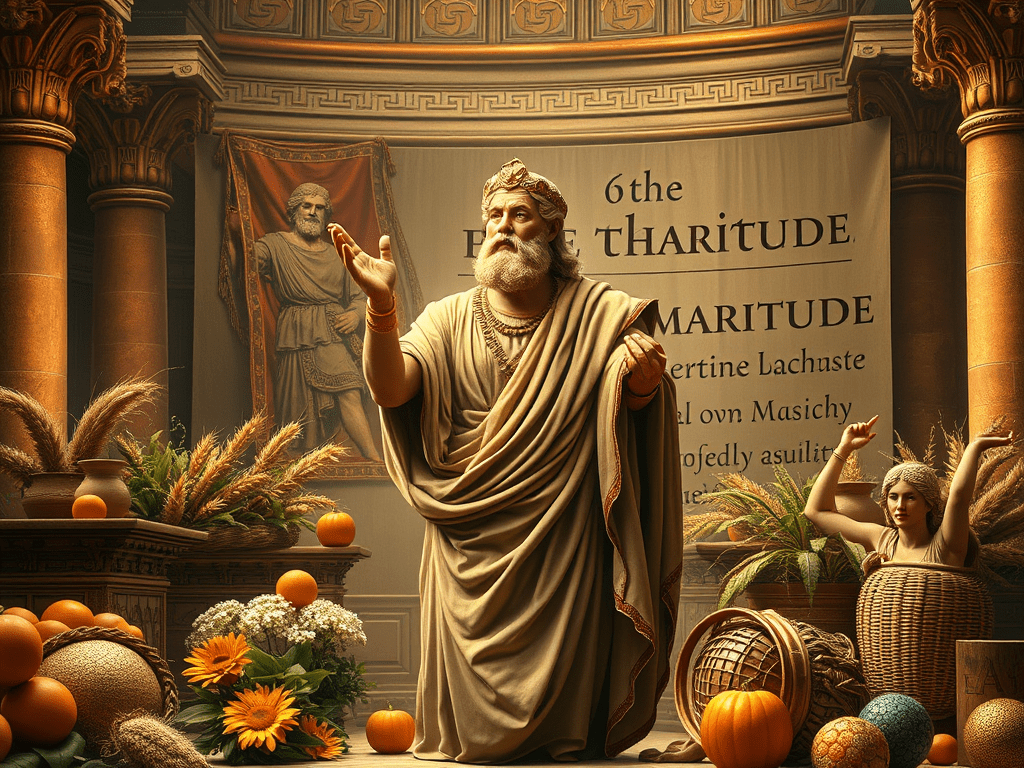
The Origins of Gratitude: From Latin to Modern Use
The word “gratitude” has origins in ancient Latin, derived from “gratus,” meaning “pleasing” or “thankful,” and evolved into “gratitudo.” In ancient Rome, gratitude was a serious practice intertwined with religious rituals and appreciation for divine blessings. The term spread through Old French into English during the Middle Ages. By the 16th century, it was depicted…
-

The Etymology & Cultural Journey of “Harmony”
The term “harmony,” originating from Greek ἁρμονία, evolved from a simple notion of fitting together to encompass profound metaphysical concepts. Influenced by Pythagorean principles and Platonic philosophy, it intertwined with music, cosmology, and societal order. Medieval thinkers introduced the “Music of the Spheres,” linking celestial movements to harmony. Subsequent literary explorations by Shakespeare and Romantic…
-

The Evolution of Literary Genres: A Journey Through Time
Literary genres have evolved significantly, reflecting the changing values of societies throughout history. Beginning with oral traditions and myths, genres formalized in classical antiquity with figures like Aristotle. The Middle Ages emphasized allegory, while the Renaissance saw experimentation with form. The Enlightenment favored satire, leading to Romanticism’s focus on emotion. The 19th century introduced realism,…
-

The History Behind the Word “Resolution”
Every new year, millions of people around the world make “resolutions” — goals or commitments to improve their lives. But have you ever stopped to wonder where the word “resolution” comes from and how it evolved into its modern-day meaning? This fascinating journey through the word’s history reveals its deep linguistic roots and surprising transformations…
-

The Origins of Family Words:
Language evolves over time while retaining ancient words, particularly family-related terms like mother, father, brother, sister, son, and daughter. These words trace back to Proto-Indo-European roots, showing remarkable consistency across various languages such as Latin, Greek, and Sanskrit. The stability of these terms reflects the enduring importance of familial roles throughout history. Ultimately, these words…
-

Linguistic History of Christmas: From Christ’s Mass to Xmas
The term “Christmas” originates from Old England, where “Cristes mæsse,” meaning “Christ’s Mass,” referred to a church service celebrating Jesus’ birth. The name evolved into “Xmas,” using “X,” the Greek letter chi, as a shorthand. Over centuries, Christmas transformed from a solemn occasion to a festive celebration, influenced by pagan traditions like Saturnalia. Today, Christmas…
-

The Genesis of ‘Genesis’: Uncovering the Word’s Origins
The term “genesis,” derived from Greek meaning “birth” or “origin,” represents beginnings, influencing literature and culture significantly. Its biblical reference and modern uses, like the Genesis Device in Star Trek or the band Genesis, illustrate its relevance today. Writers can creatively incorporate “genesis” to mark any significant starting point in their narratives.
 Ink & Oracle